Contact Us
Send A Message
A History of Feathers and Stone
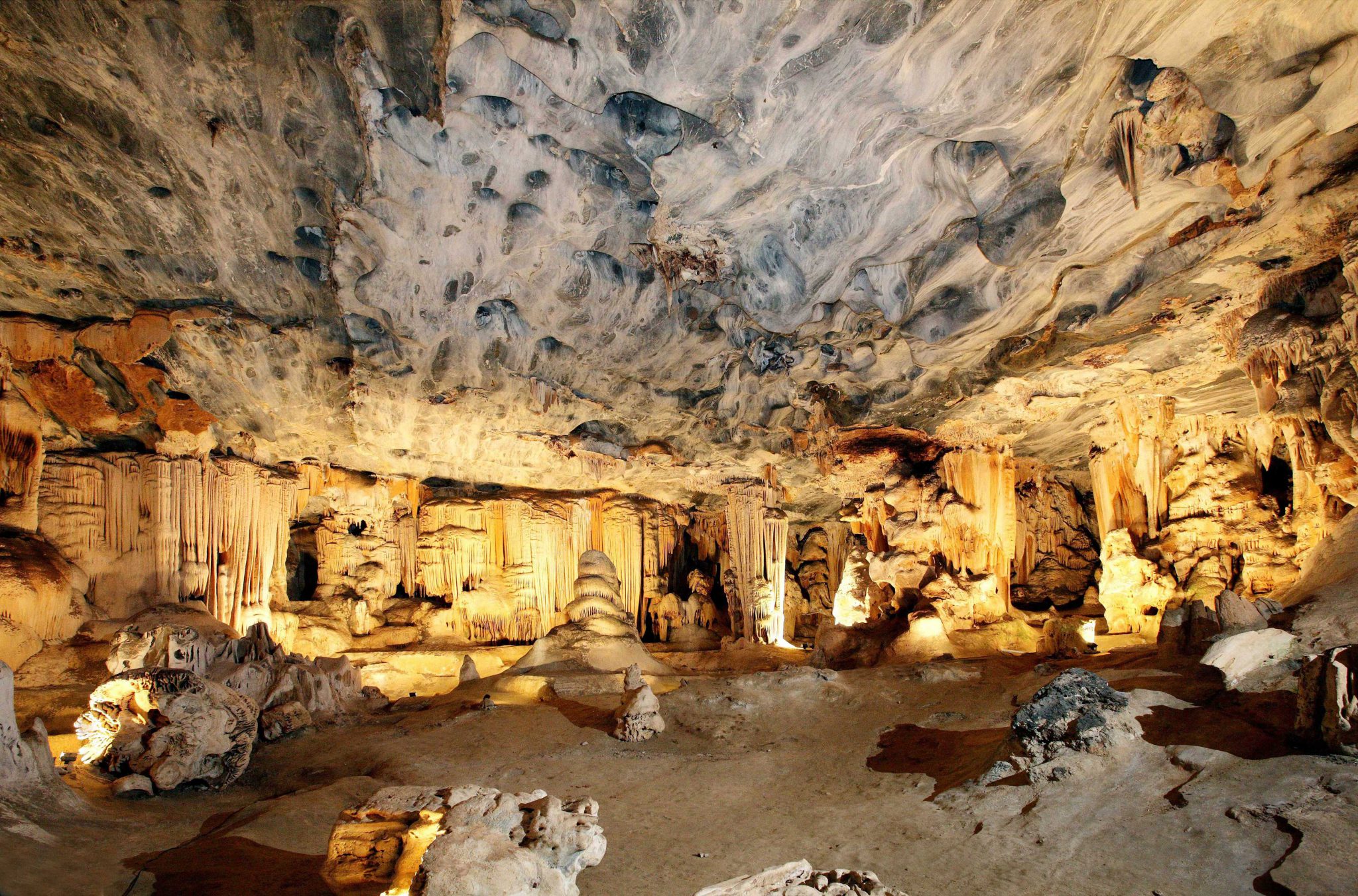
Oudtshoorn’s identity is inextricably linked to the Ostrich, earning it the title “Ostrich Capital of the World”. Its history is a blend of agricultural fortune and architectural grandeur.
Origins (1847): The town was officially founded in 1847 on the farm Hartebeestrivier.
Naming: It was named in honour of Baron Pieter van Rheede van Oudtshoorn, who died at sea while traveling to take up his post as Governor of the Cape Colony in 1772.
Cultural Hub: It became a foundational home for the Afrikaans language, celebrated today through the annual Klein Karoo Nasionale Kunstefees (KKNK).
The Golden Ostrich Era
The “Feather Booms”: Two major periods (1865–1870 and 1900–1914) saw a global obsession with ostrich feathers for high-fashion hats in Europe.
“Feather Palaces”: Local farmers grew so wealthy they built grand sandstone mansions known as Feather Palaces, many of which still stand today as architectural landmarks.
Stonemasonry: Scottish stonemasons arrived in the 1860s, contributing to the town’s unique sandstone heritage, including the CP NEL Museum and St Jude’s Anglican Church.
Market Collapse: The industry crashed around 1914 with the onset of WWI and the invention of the motor car (feathers didn’t fare well in open-top vehicles), leaving many destitute.
Modern Farming: Today, show farms like Cango Ostrich Farm focus on tourism and education rather than just feather production. Visitors can feed the birds, learn about their biology, and even stand on their incredibly strong eggs.
For a true desert tale, you climb onto Joshua the Camel, swaying in a rhythmic trek that feels worlds away from the modern road. The day rounds off with a competitive round of Ghwarra-Ghwarra golf andthe smoky aroma of fresh roosterkoek drifting from the restaurant.
For Booking & Inquiries
Call Us
+27 (0)44 279 2532
+27 (0)71 686 9795
Email Us
enquiries@oudtshoorn.com
Location
Office
80 Voortrekker Road, Oudtshoorn, 6625
Mailing
80 Voortrekker Road, Oudtshoorn, 6625
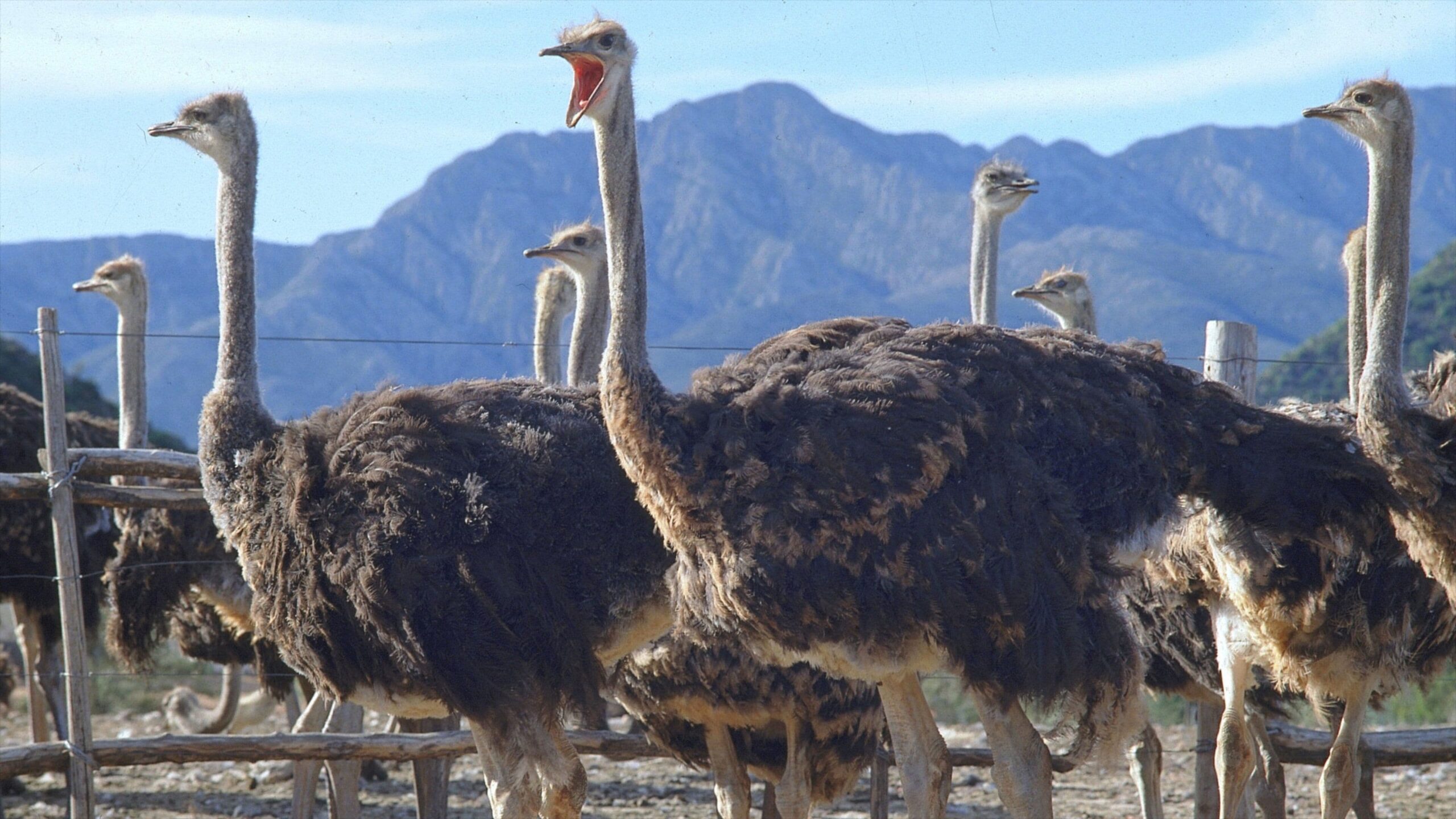
Cango Caves is Africa's Largest Show Case Cave System
From the wonder of the Cango Caves at the foot of the formidable Swartberg mountains and the Rust en Vrede Waterfall to beautiful old sandstone buildings, Oudtshoorn has numerous attractions to keep you entertained. Experience it for yourself.
Today, Oudtshoorn markets itself as an “Adventure, Culture, and Environment” destination. Its “Big 6” marketing campaign encourages visitors to experience six key attractions in one day:Cango Caves: Africa’s largest show cave system.
Ostrich Show Farms: Interactive experiences like those at Highgate Ostrich Show Farm.
Cango Wildlife Ranch: Famous for crocodile cage diving and big cat encounters.
Buffelsdrift Game Drive: Spotting the Karoo’s wildlife.
Swartberg Pass: A world-renowned mountain pass and UNESCO World Heritage site.
Historical Town Orientation: Exploring the “Feather Palaces” and local heritage sites.
The history of Oudtshoorn is defined by two remarkable underground and above-ground wonders: the Cango Caves, a 20-million-year-old limestone network, and the Ostrich Farms, which turned the region into the “Ostrich Capital of the World” during the Victorian “feather boom”.
The Era of “White Gold”
Oudtshoorn’s prosperity was built on the backs of ostriches, whose feathers became a global fashion obsession in the late 19th century.
The Feather Booms: Two major “booms” (1863–1885 and 1900–1914) occurred as European fashion demanded ostrich plumes for hats and fans. At the peak, a pair of ostriches could cost up to £1,000—a massive sum at the time.
Feather Palaces: Wealthy farmers, known as “Ostrich Barons,” used their fortunes to build grand sandstone mansions called “Feather Palaces,” many of which still stand as historical landmarks today.
The red dust of the Klein Karoo settles as you arrive at Wilgewandel, a sun-drenched oasis just 2km from the ancient Cango Caves. Here, the 20-million-year-old silence of the caverns is replaced by the laughter of the farm.
Our story begins at the Touch Farm, where velvet-nosed goats and long-lashed ostriches nudge your hand for grain.
The quiet is broken by the rhythmic zip of the Foefie Slide soaring over the dam and the giant splashes from the colorful Water Slides that defy the Karoo heat.As the sun dips behind the Swartberg mountains, Wilgewandel transforms from a mere stopover