Hessequa “People of the Trees”
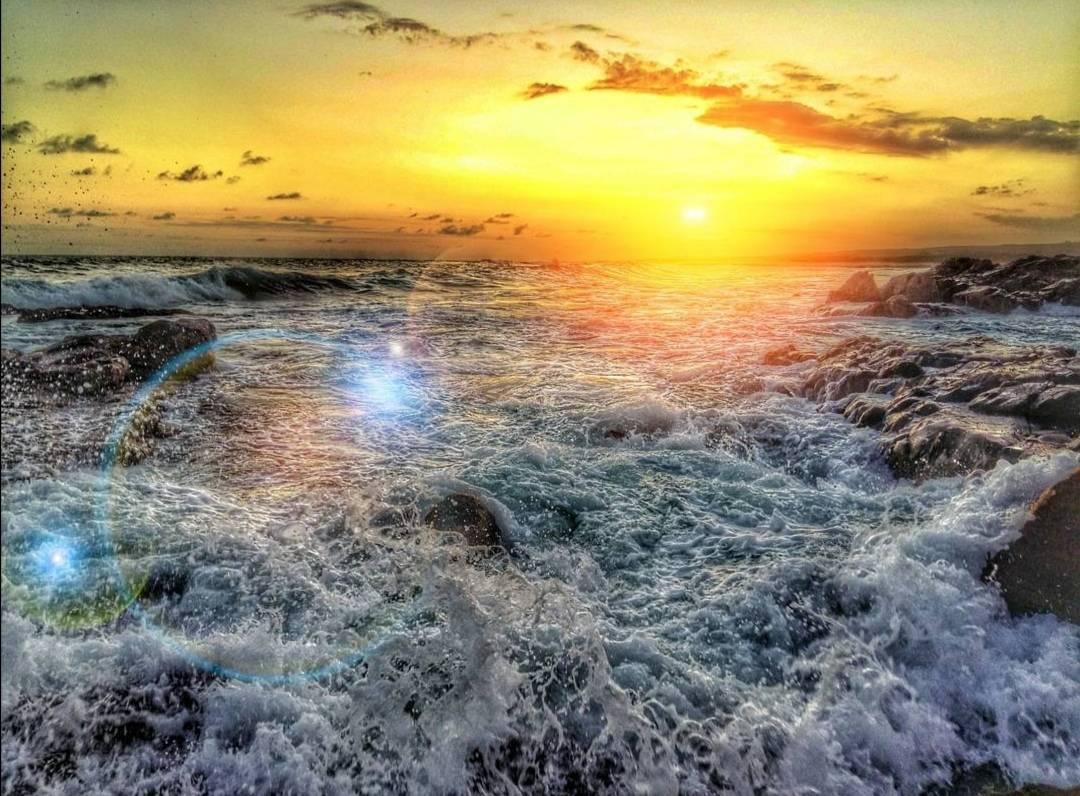
The Hessequa region, situated in the Garden Route District, takes its name from the indigenous Khoikhoi tribe, meaning "people of the trees".
The area is geographically defined by the Langeberg Mountains to the north and the Indian Ocean to the south, stretching from the Breede River in the west to the Gourits River in the east.
Blombos Cave: Famous for yielding the world’s oldest known artwork—engraved ochre dated to roughly 75,000 years ago.
Ancient Innovation: Discoveries include a 100,000-year-old ochre-processing workshop (the “oldest artist’s toolkit”) and perforated shell beads used as body decoration.
Indigenous Roots: Long before European arrival, the Hessequa Khoikhoi were prosperous pastoralists who grazed large herds of cattle along the coastline.
First Contact: The first European expedition to the region occurred in 1667, led by Hieronymous Crüse to barter for cattle.
Settlement Growth: By the late 1700s, farmers began settling on leased land from the Dutch East India Company (VOC).
Town Origins:
Melkhoutfontein (1850s): Established as a traditional fisherman’s settlement near Stilbaai.
Slangrivier (1838): Founded when land was awarded to local men for their loyalty during the Cape Frontier Wars.
Political Identity: Formerly known as the Langeberg Municipality, the district was officially renamed Hessequa in 2005 to honour its cultural heritage.
Economic Landscape & Industry:
Hessequa’s economy has evolved from ancient herding to a sophisticated dualistic system of inland agriculture and coastal tourism.
Agriculture (Inland Core)
Agriculture remains the backbone of the region, though technologies have shifted significantly over time
Core Crops: Dominated by wheat, barley, canola, and berries.
Livestock: Sheep and wool production have been mainstays since the 18th century.
Gourmet Products: The region is a major producer of world-class olives, cheese, and aloe products (specifically in Albertinia, the “Aloe Capital”).
Innovation: Home to the world’s first fynbos gin.
Coastal towns like Stilbaai and Witsand have seen rapid growth, fueling a robust construction industry.
Eco-Tourism: The region is a “floristic hotspot” within the Cape Floral Kingdom and is renowned for whale watching—San Sebastian Bay is considered South Africa’s “whale nursery”.
Archaeological Tourism: The Blombos Museum of Archaeology in Stilbaai serves as a major draw for heritage seekers.
Agri-processing: Significant opportunities exist in processing local crops and milk (cheese).
Infrastructure: The municipality is consistently ranked among the best-run in South Africa, providing a stable environment for light manufacturing and business services