R62 ROUTE
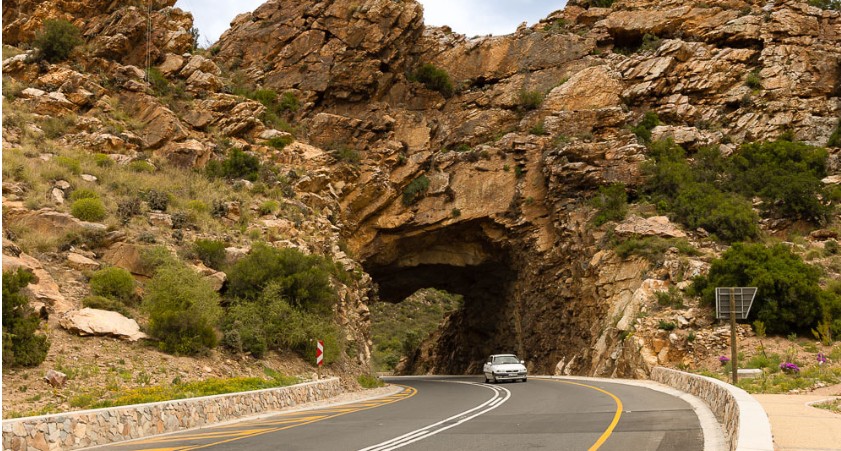
The Route 62 (R62) is South Africa's
Iconic inland alternative to the coastal N2 highway, stretching approximately 850km from Cape Town to Gqeberha (Port Elizabeth). It is world-renowned as the longest wine route and is often compared to America’s legendary Route 66 for its quirky roadside culture and historical significance.
Living Legend: Unlike much of the US Route 66 which was bypassed and declined, Route 62 has thrived by transforming into a vibrant tourism corridor that supports local farming communities.
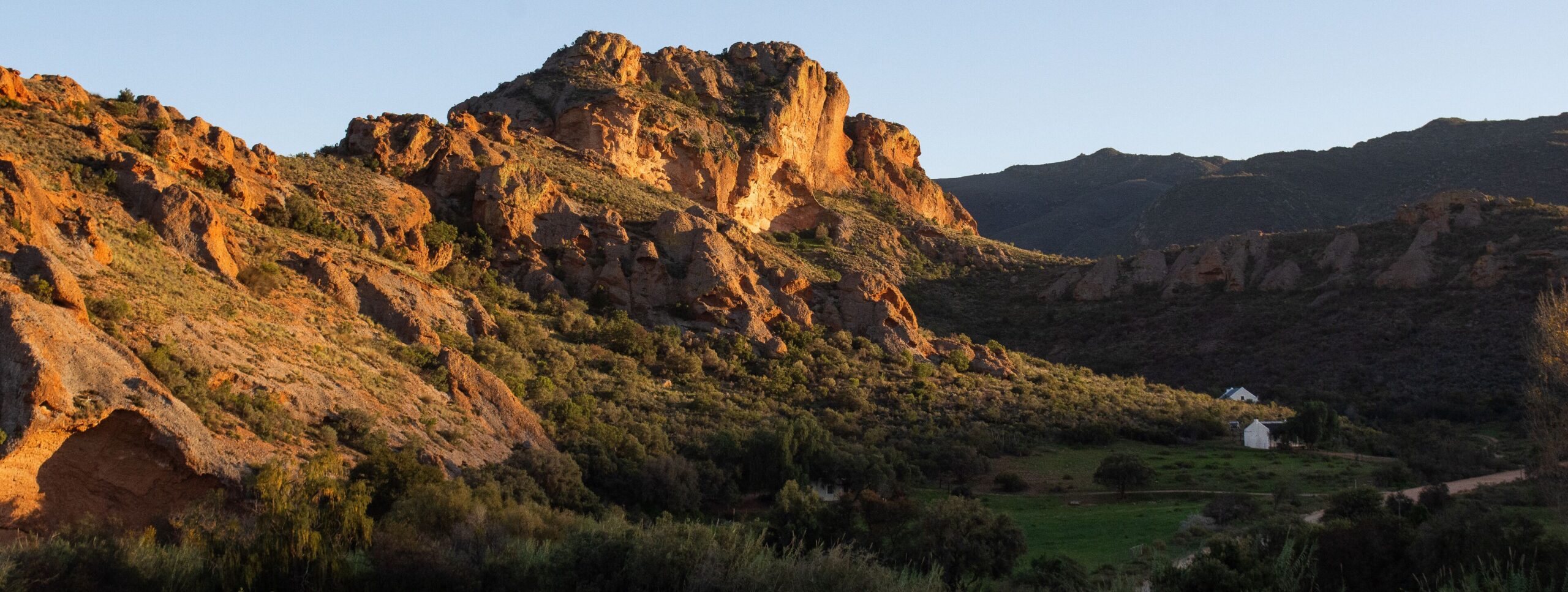
The Scenic Shift: It offers a dramatic transition from the lush, green Winelands of Paarl and Wellington into the arid, red-soiled plains of the Klein Karoo.
Quirky Landmarks: The route is famous for eccentric stops like Ronnie’s Sex Shop (a legendary pub born from a prank) and the vintage-themed Diesel & Crème diner in Barrydale
The history and industry of the Route 62 (R62)
The Wagon Trail (1700s–1800s): Before the R62 was a paved tourist route, it was the primary inland artery for transport riders. Ox-drawn wagons hauled heavy casks of brandy and produce from the Cape interior to coastal markets.
Colonial Settlement: Many towns began as “church farms” (kerkplaats) in the mid-1800s. Farmers would gather for Nagmaal (Holy Communion), eventually establishing permanent settlements like Montagu (1851), Robertson (1852) , and Oudtshoorn (1847).
The “White Gold” Era (1870–1914): The region’s most famous historical chapter was the Ostrich Feather Boom. High demand from European fashion houses made ostrich feathers as valuable as gold. This wealth built the “Feather Palaces”—opulent sandstone mansions that still define the architecture of Oudtshoorn and Calitzdorp
Evolution of Key Industries
Today, the R62 economy is anchored by three major pillars that rose from the ruins of the feather market collapse in 1914.
Viticulture & The “Brandy Route” the region has produced wine for over 200 years, originally focusing on pot-still brandy and fortified wines because they traveled better in wagons.
Port & Muscadel:
Calitzdorp is the “Port Capital of South Africa,” specializing in Portuguese-style fortified wines.
Modern Shift: Since the 1970s, wineries like Barrydale Cellar have transitioned from pure brandy distillation to high-quality dry wines (Syrah, Chardonnay, and Cabernet Sauvignon).
Specialized Agriculture
The unique microclimates of the Klein Karoo allow for high-value niche crops:
Stone & Pome Fruit: The Langkloof Valley is South Africa’s second-largest fruit producer, specializing in apples and pears. Towns like Ladismith are major global producers of apricots and plums.
Seed Marketing:
Oudtshoorn has become a global leader in specialized agricultural seed production, which is currently the biggest contributor to the region’s wealth.
Olives: The Mediterranean climate has spurred a booming olive oil industry, with estates like De Rustica winning international awards.
The Ostrich Industry (Modern Era)
Though the fashion for feathers faded, the industry survived by diversifying:
Meat & Leather: Today, ostriches are farmed primarily for their low-cholesterol meat and luxury leather used in high-end fashion.
Market Share: The region remains home to the world’s largest ostrich population, accounting for roughly 80% of global ostrich products.