
Contact Us
Send A Message
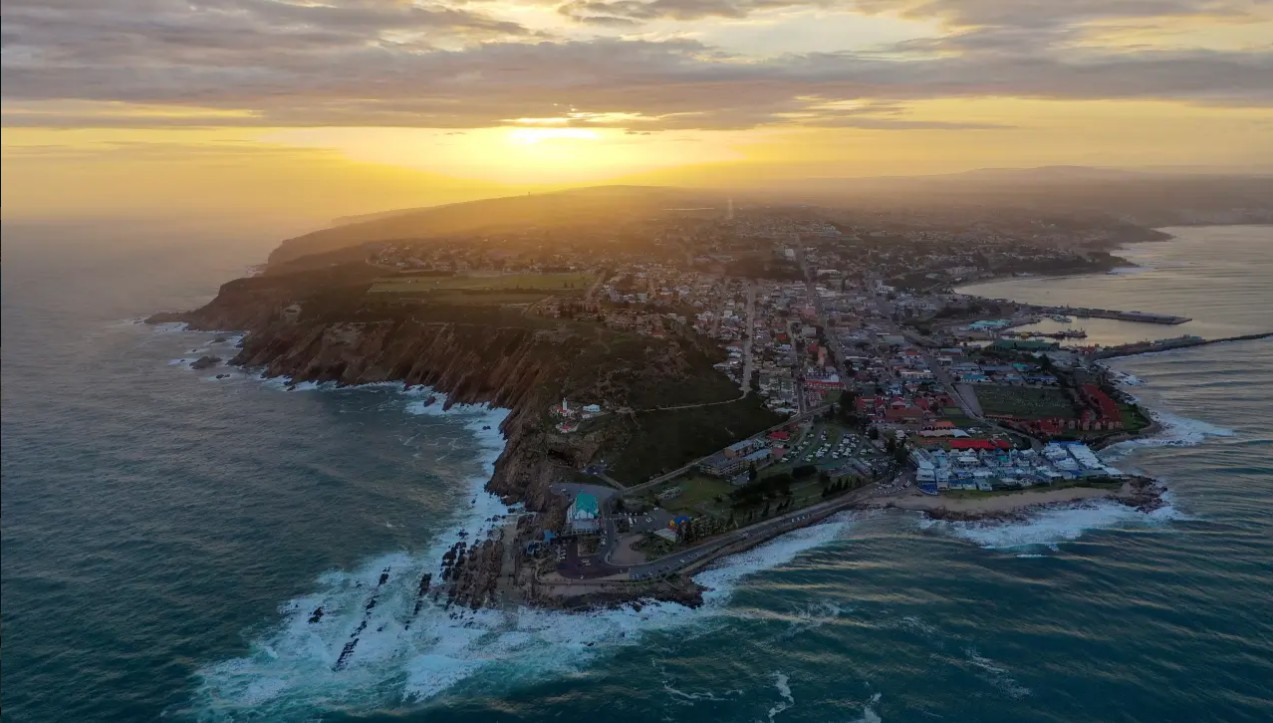
"Iconic Mossel Bay"
The Climate Hook: It is famously marketed as having the second mildest climate in the world (after Hawaii), boasting over 300 days of sunshine annually.
Adventure & Nature: The marketing narrative highlights “bucket list” experiences such as the world’s longest over-ocean zipline, shark cage diving, and skydiving.
Recent Campaigns: The tourism board recently launched the “Route 12” campaign, which connects 12 nearby “towns” and farms to promote community-driven tourism, wine tasting, and local hospitality.
The Mossel Bay Zipline is currently the primary focus of adventure tourism in the area.,famously marketed as the longest over-ocean zipline in the world. Spanning 1.1 km, it allows riders to glide approximately 90 metres above the Indian Ocean at speeds reaching up to 80–90 km/h.
For Booking & Inquiries
Call Us
+27 (0)44 691 2202
+27 (0)79 246 5064
Email Us
info@visitmosselbay.co.za
Location
Office
Corner of Church and Market Street, Mossel Bay, 6506.
Mailing
Corner of Church and Market Street, Mossel Bay, 6506.
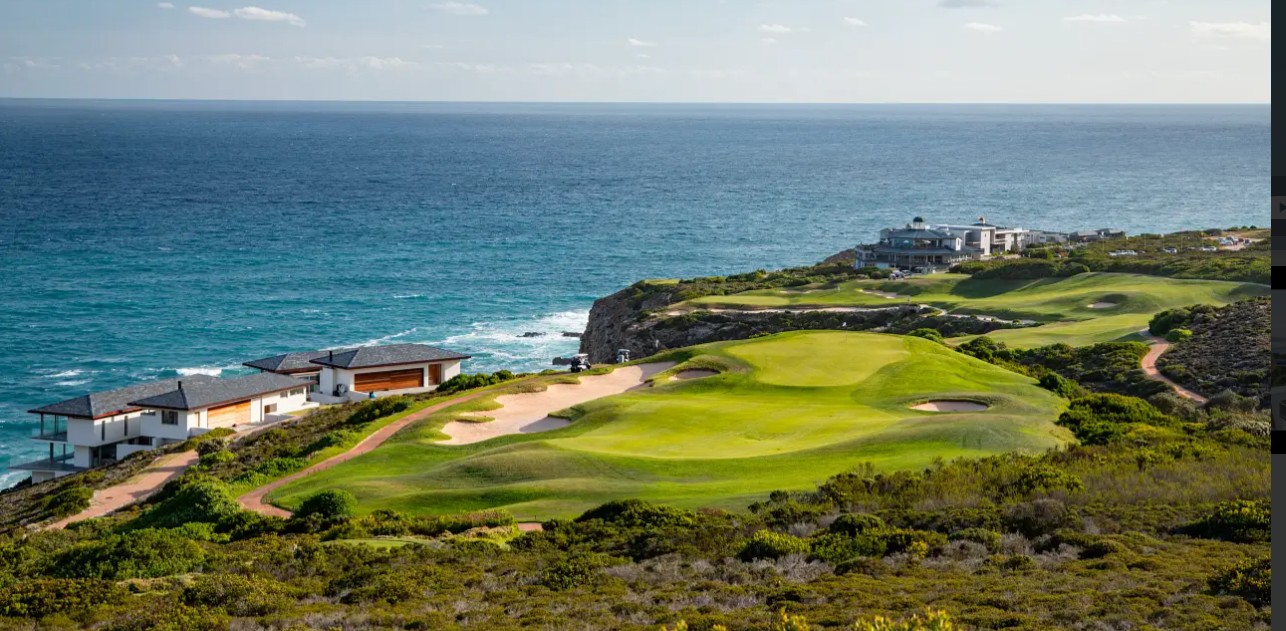
A History of Mossel Bay Tourism
The Victorian Health Resort (Late 1800s): As early as 1892, Mossel Bay promoted itself at international exhibitions as a “Health Resort” due to its magnificent marine scenery and protected bathing areas.
The Hartenbos Boom (1936): A major turning point occurred when the ATKV purchased the farm Hartenbos and developed it into a massive self-catering holiday resort. This cemented the town’s reputation as a premier family beach destination for South Africans.
Historical Significance: Known as the “historical capital” of the Garden Route, it is the site where Bartolomeu Dias first landed in 1488. Key historical attractions include:
The Post Office Tree: A 500-year-old milkwood tree used by early explorers as a mail-collection point.
The Dias Museum Complex: Established in 1989 to house a full-scale replica of the Dias Caravel.
Ancient Roots: More recently, tourism has expanded to include “archaeotourism,” highlighting the Pinnacle Point Caves.
These sites contain evidence of modern human behaviour dating back over 164,000 years, earning recognition as a UNESCO World Heritage site.