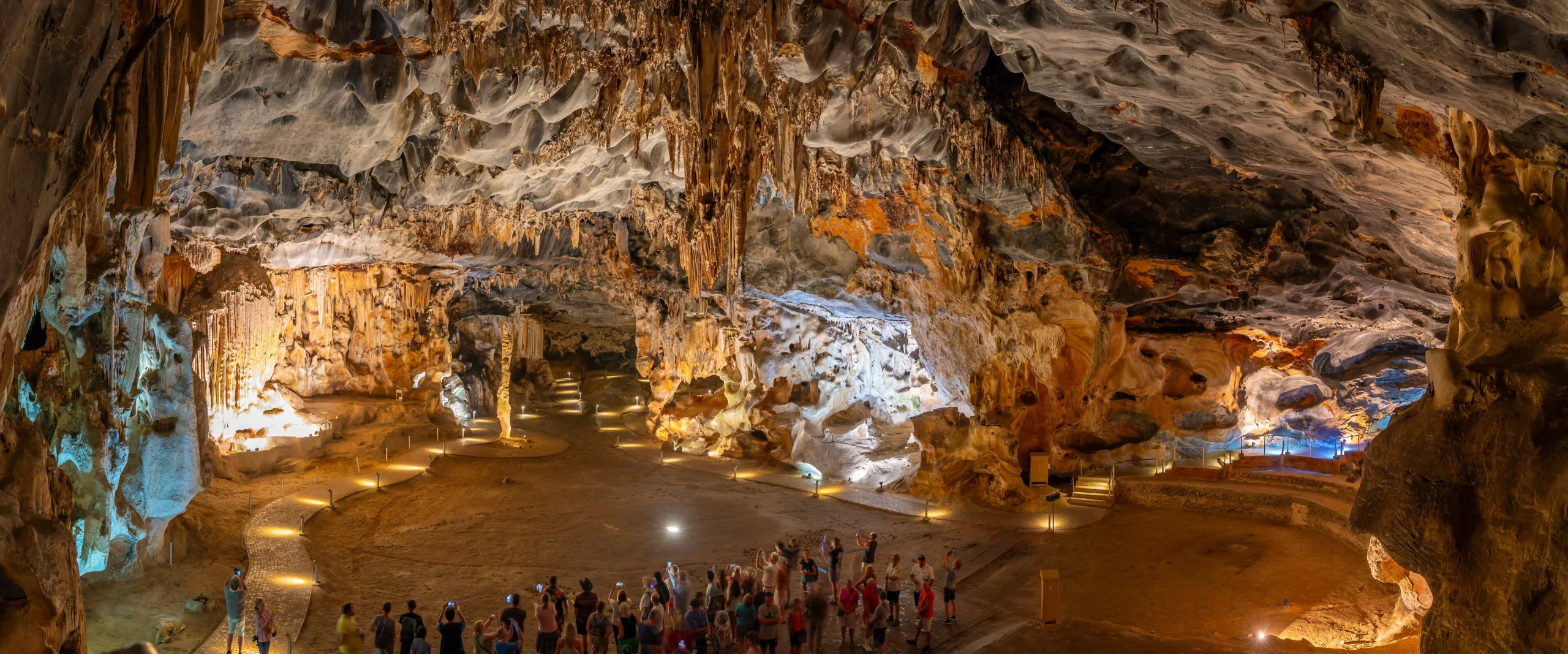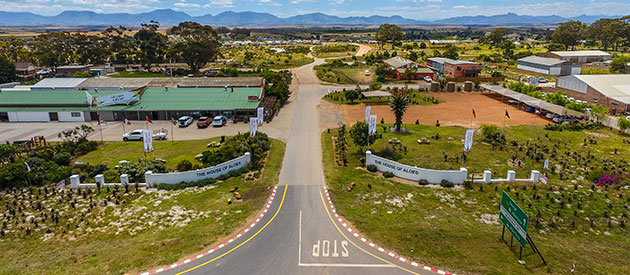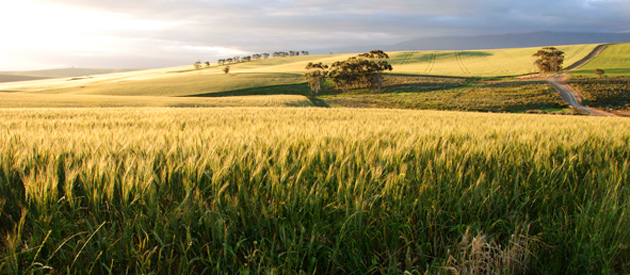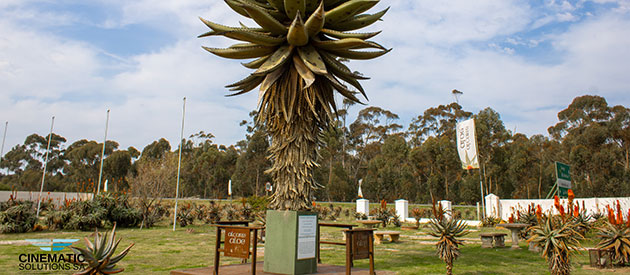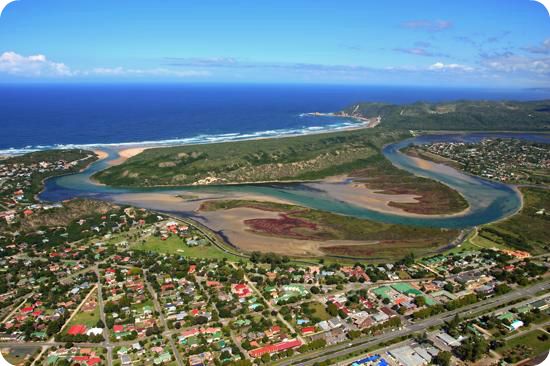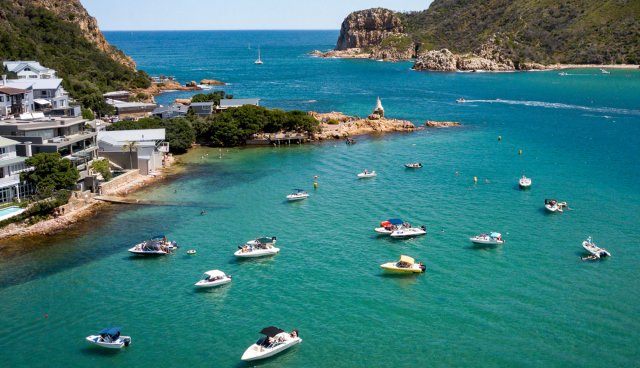
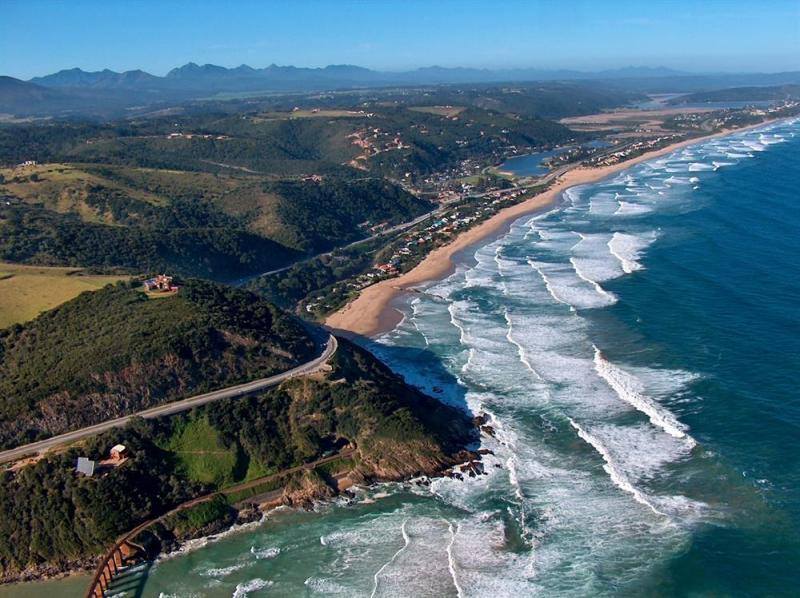
The Garden Route: A Coastal Masterpiece
To travel from the heart of the Garden Route into the Hessequa region is to move between two worlds—one of dramatic coastal forests and another of ancient open plains where the first chapters of human history were written. Together, they form a narrative of resilience, discovery, and “sparkling water.”
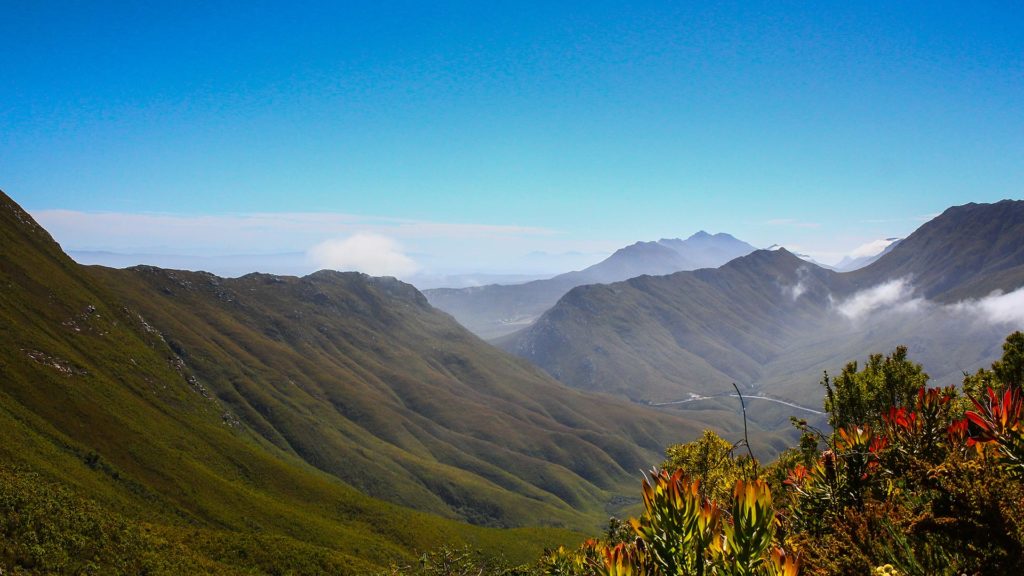
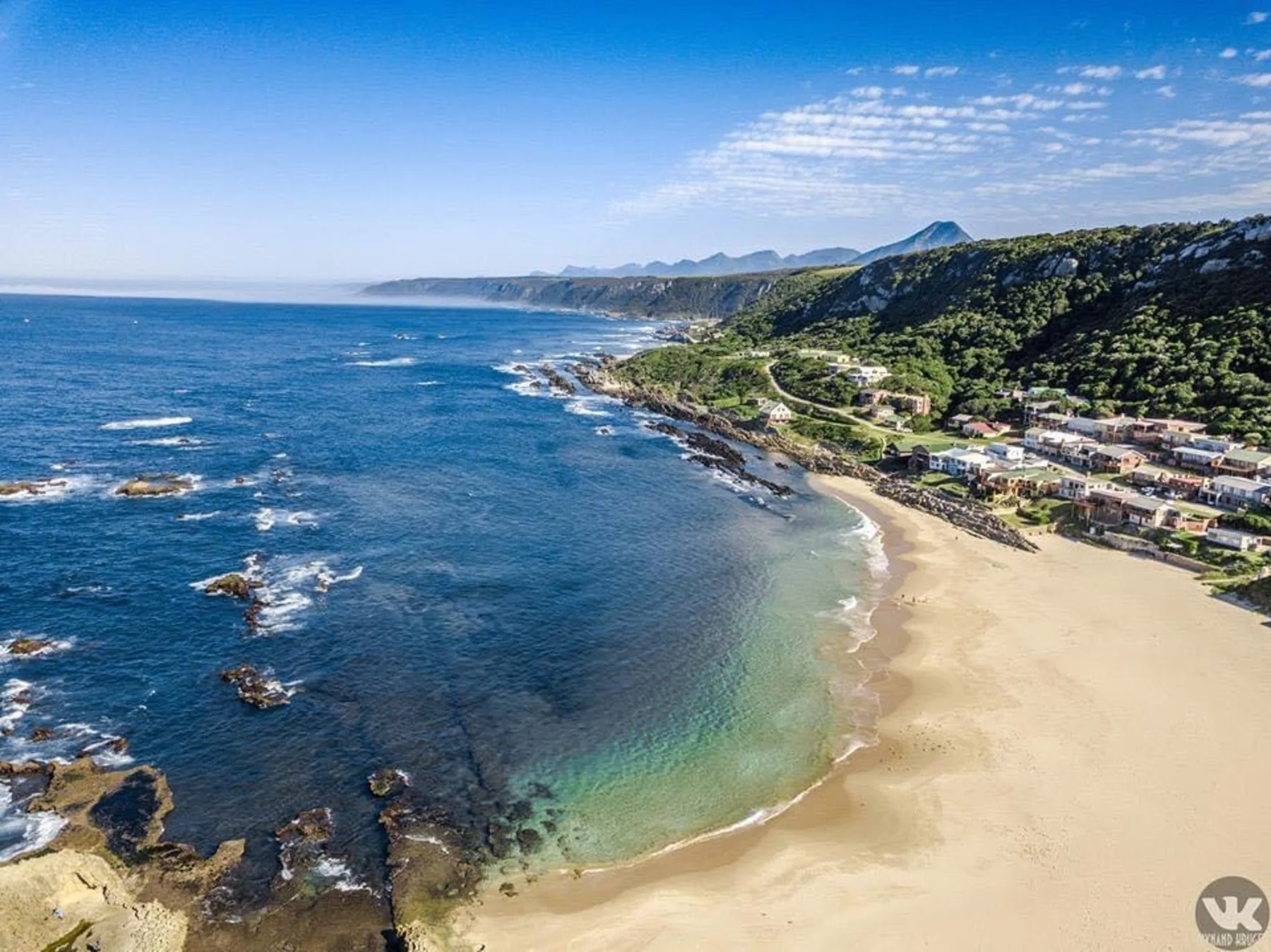
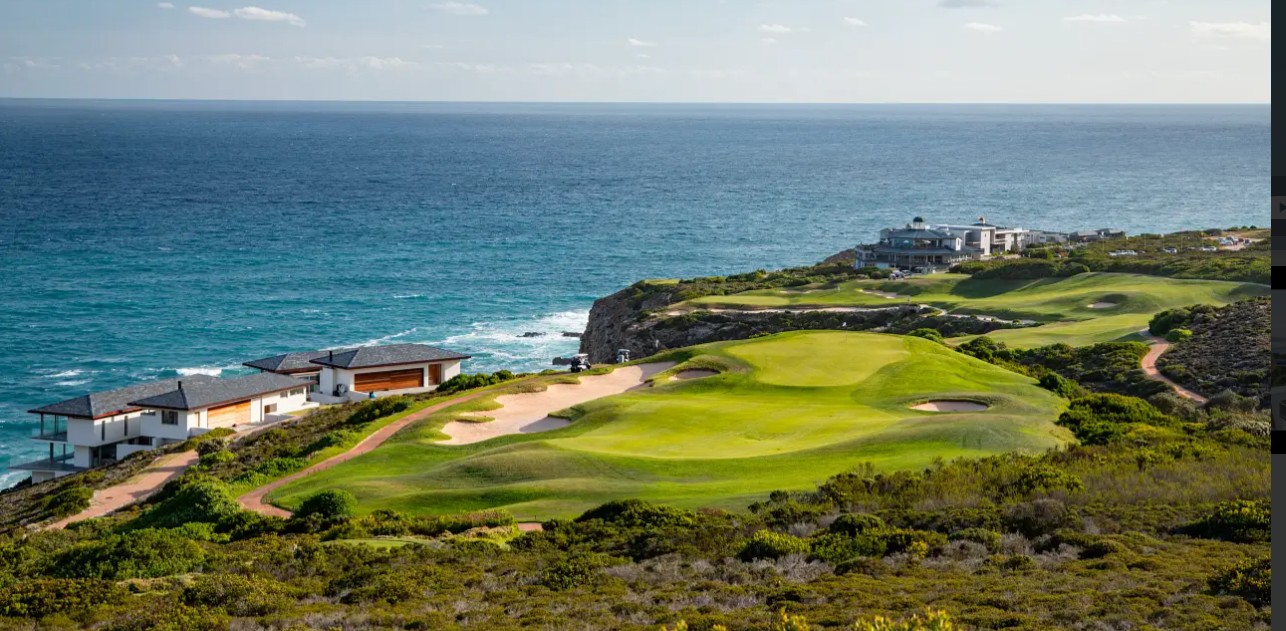
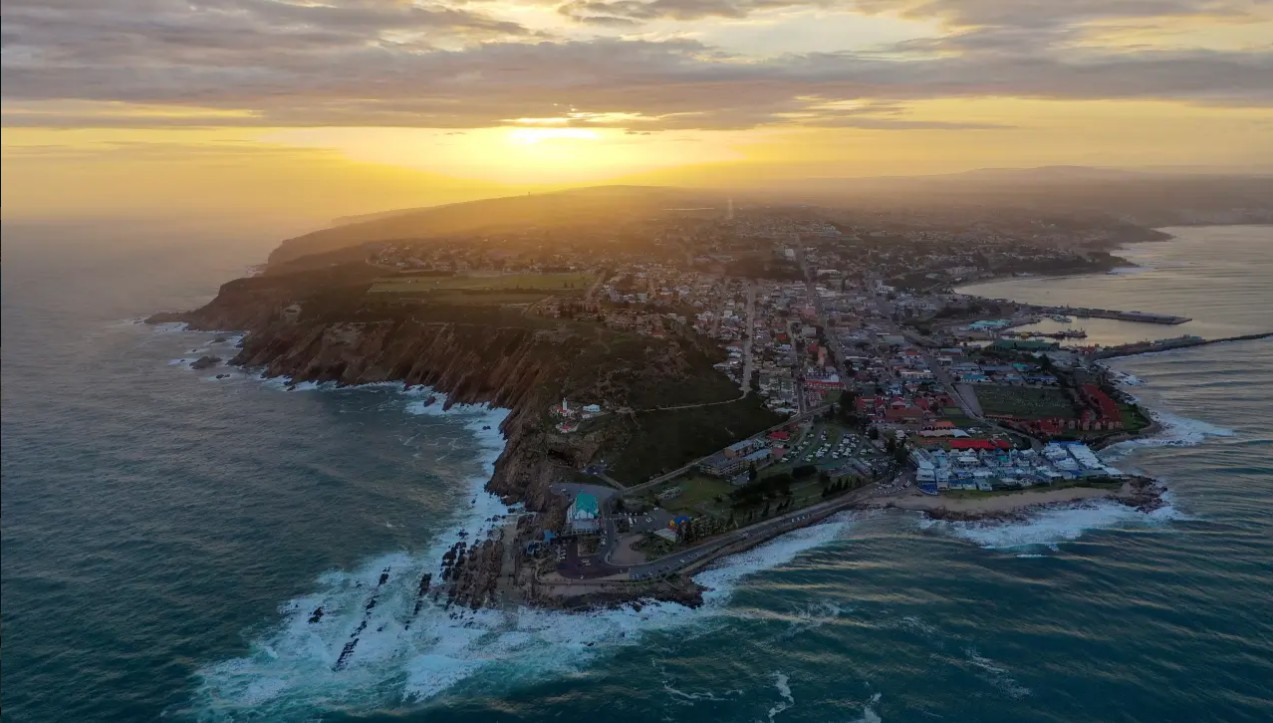
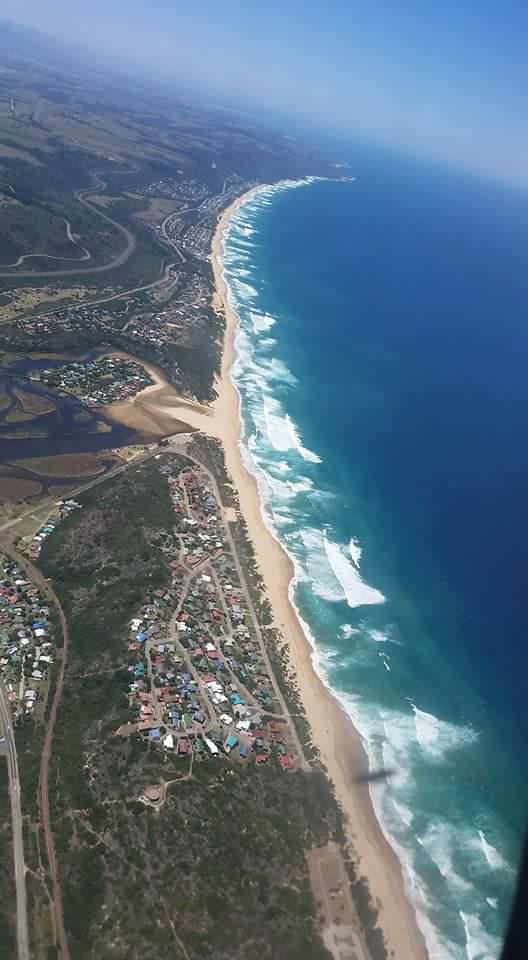
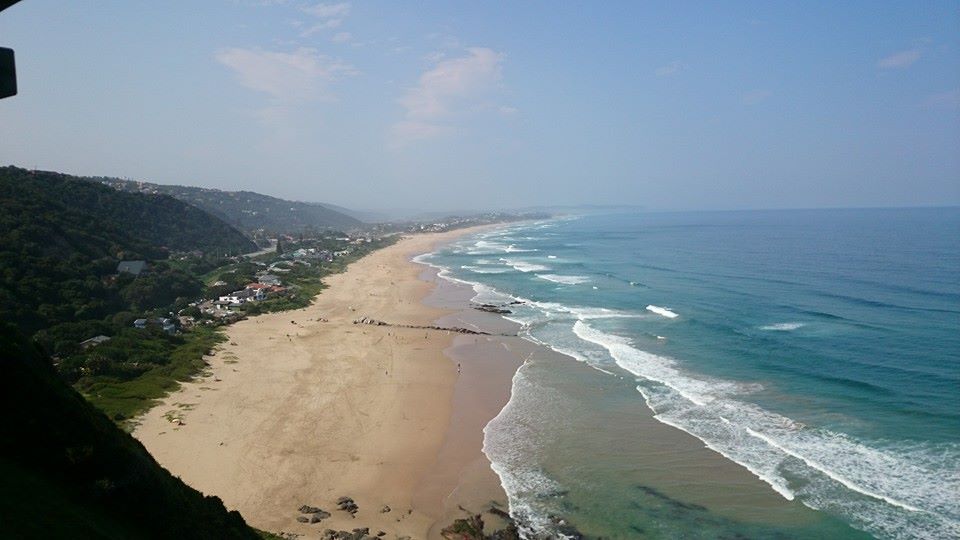
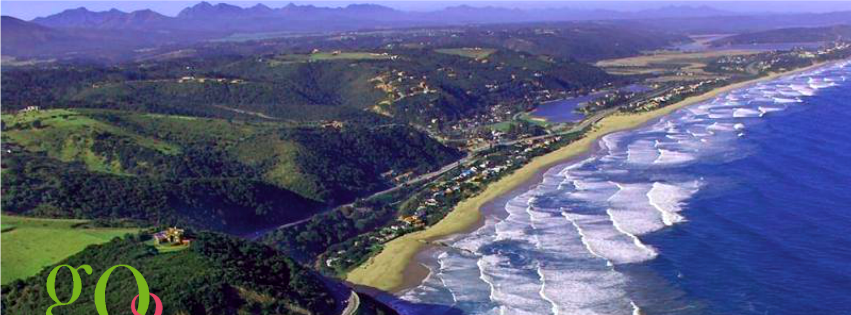
The Garden Route is South Africa’s most storied road trip, a 300-km stretch where the mountains and the Indian Ocean are in a constant embrace.
- The Ancient Highway: Long before the N2 highway, this route was a series of migratory paths for elephants and the Khoisan people, who harvested the ocean’s bounty in places like the Robberg Nature Reserve.
- The Master’s Vision: In the 1800s, legendary engineer Thomas Bain transformed this wild frontier, carving passes through “impenetrable” forests of Yellowwood and Stinkwood to connect isolated timber towns like Knysna and George to the world.
Beginning in the late 1700s, the Dutch East India Company established posts to harvest valuable timber like Yellowwood and Stinkwood.The People: Woodcutters were a mix of Dutch, English, and Scottish descendants who lived in deep poverty within the forests. They were largely unschooled and isolated, often spending weeks at a time deep in the woods.
The Labour: They used hand-saws and axes to fell giants, then used teams of oxen to drag the logs along elephant paths to reach timber merchants in Knysna.
End of an Era: Over-exploitation led to the 1939 Woodcutters Annuities Act, which finally annulled their rights to harvest indigenous trees and provided them with small pensions.
The Knysna Elephants: From 400 to One
The region was once “elephant country,” with herds numbering in the hundreds roaming from Knysna to the Tsitsikamma.
Conflict & Decline: As settlers moved in, elephants were hunted for ivory or killed as “pests” by farmers. By 1876, about 400 remained, but massive culls—including one by Major P.J. Pretorius in 1920—devastated the population.
Current Status: Today, the “ghosts of the forest” are nearly gone. Research suggests only one lone female may still roam the wild, though there are occasionally unconfirmed reports of a small handful.
The Industry Today: Tourism & Conservation
The primary industry has shifted from timber extraction to eco-tourism.
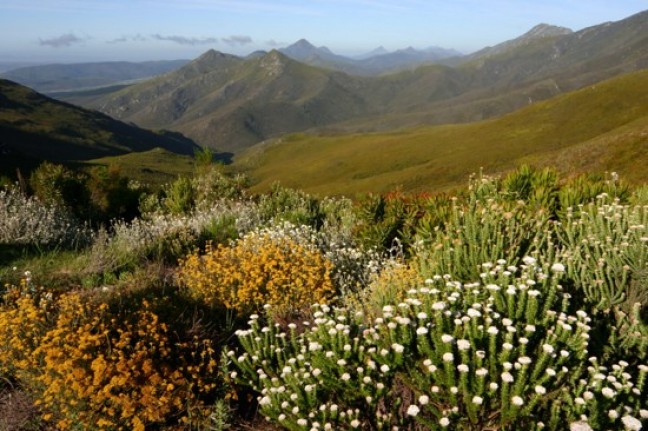
Garden Route National Park: Established in 2009, it protects 160,000 hectares of forest, fynbos, and coastline.
Historical Experiences:
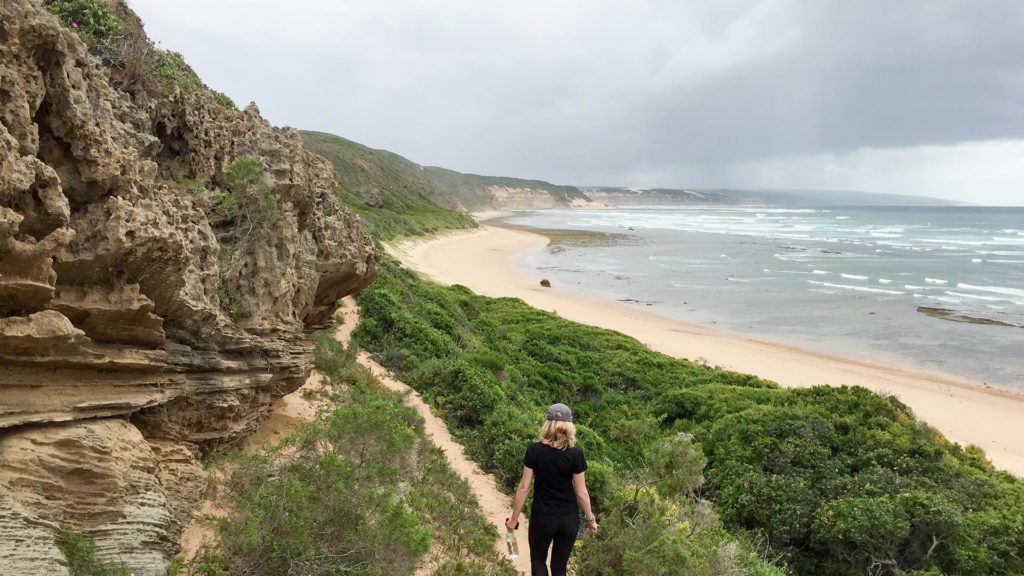
Hiking: Trails like the Circles in a Forest and the 108km Outeniqua Hiking Trail allow visitors to walk the same paths the woodcutters once used.
Elephant Sanctuaries: While the wild population is nearly extinct, visitors can interact with rescued elephants at the Knysna Elephant Park (has a beautiful museum and display for the famous Knysna Elephants) or the Elephant Sanctuary in The Crags, Plettenberg Bay.
You are spot on—the Plettenberg Bay (Plett) area has become a global leader in educational eco-tourism. Most major attractions here have moved away from “entertainment” and toward “sanctuary” models that focus on rehabilitation and teaching visitors about the plight of wildlife.
The core of this movement is the South African Animal Sanctuary Alliance (SAASA), which operates