
Contact Us
Send A Message
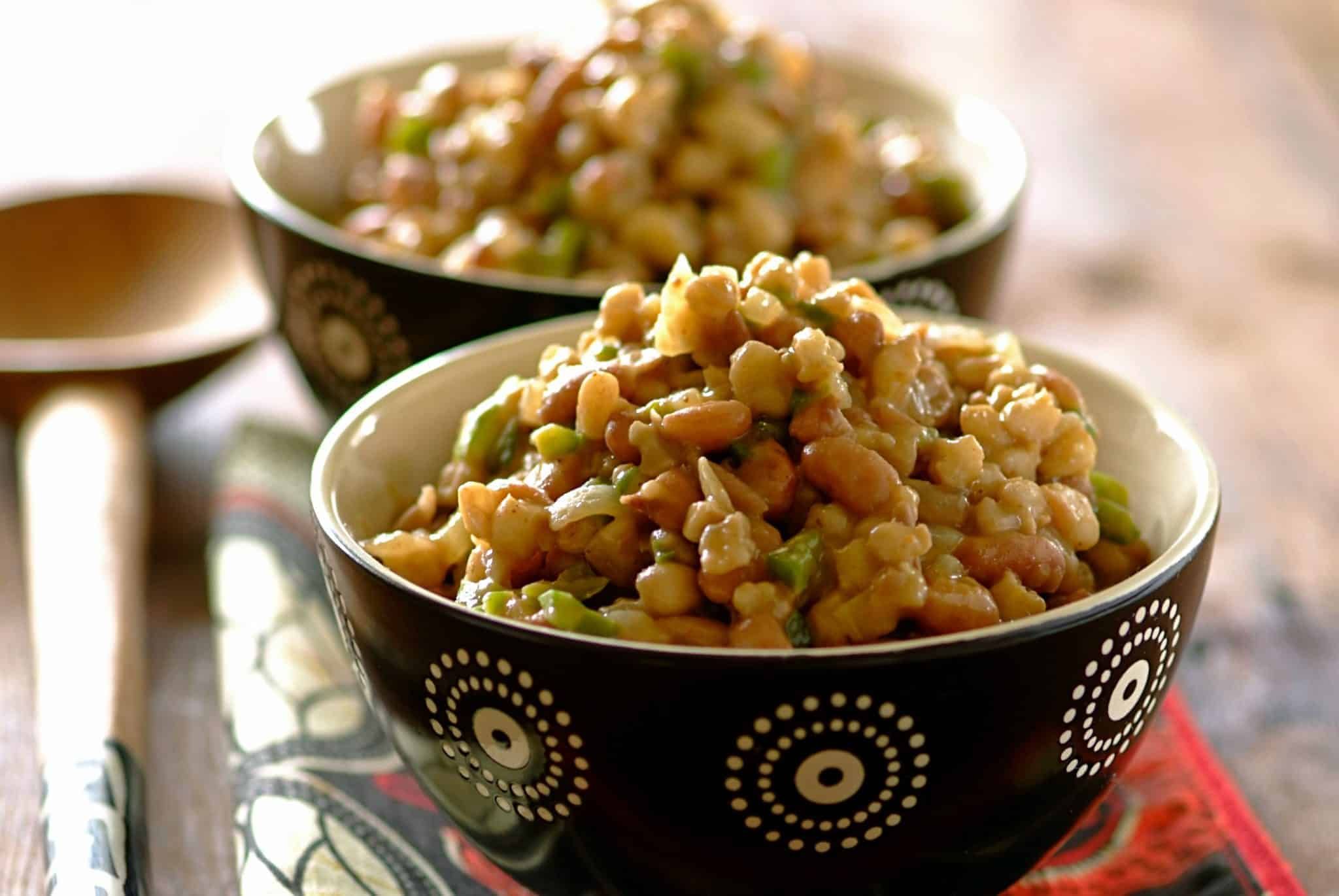
At the family table, heritage is served in deep bowls of:
-
Umngqusho (Samp and Beans) : A slow-cooked staple of the Nguni people and a personal favourite of Nelson Mandela.
-
Mogodu (Tripe): Slow-cooked until tender and often served with Pap (maize porridge).
-
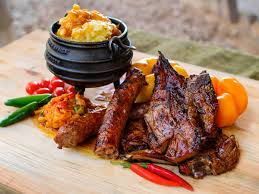
Potjiekos: A hearty stew layered with meat and vegetables, simmered for hours in a traditional three-legged cast-iron pot.
Enjoy the South African Cuisine
In South Africa, every meal is a chapter of a larger, vibrant story. Our food isn’t just about sustenance; it’s a “quiet revolution” of flavours that bridges the gap between formal dining and the bustling energy of the streets.
A Journey Through the Senses
Your culinary adventure might begin at sunrise with the aroma of woodsmoke. This is the heart of Shisa Nyama
(literally “burn meat”), a traditional grilling experience born from Xhosa heritage where succulent meats like Boerewors (spiced farm sausage) are cooked over open coals.
As you move through the day, you’ll encounter the rich, complex legacy of Cape Malay cuisine. In the candy-coloured streets of the Bo-Kaap, you can taste the “fragrant, mildly spicy” Bobotie —a spiced mincemeat dish with an egg custard topping—or bite into a syrupy, braided Koeksister.
The Soul of the Streets
For many, the true pulse of the nation is found in its street food. The iconic Bunny Chow , a hollowed-out loaf of bread filled with rich, spicy curry, tells the story of Durban’s Indian community. In the townships, you’ll find the Kota —a half-loaf of bread stacked with “Russian” sausage, chips, and polony—a booming R10bn market that powers local entrepreneurship.
A Global Export of Culture
Today, this “Local is Lekker” spirit is going global. From high-end kitchens in Soweto to virtual cooking tours broadcasting to London and New York, South African chefs are reimagining indigenous ingredients like Morogo (wild spinach) and Sorghum for a new generation.
Whether it’s the crunch of Biltong (cured meat) or the caramelised warmth of a Malva Pudding, our food is an “exportable storytelling” that invites the world to take a seat at our table.